cookie monster singing
Tags: cookies
Everyday Etiquette: France
Meeting People
In general the French prefer to be introduced to strangers, if at all inherent wait for a third party introduction when meeting person new. When speaking with person it is base to use their title plus their house name (Madame Brown) until given permission to do otherwise.
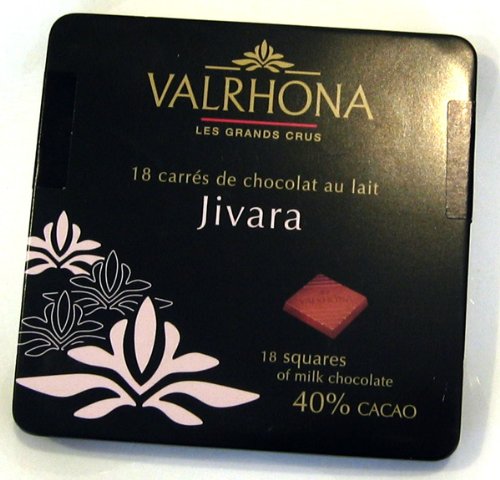


This milk chocolate has 40% cocoa. It is imported from France.
This tin includes 18 delicious chocolate squares.


Personal compliments and comments on corporal appearance (I love your dress) are not approved as they are carefully overly personal.
The change of business cards is a base convention when first meeting someone
Physical Greetings
When greeting person a handshake accompanied by a "Pleased to meet you" is appropriate. When departing be sure to shake everyone's hand, a general group wave as is often done in the United States is not looked on favorably.
An "air kiss" (first to the left and then the right) is an approved greeting once you have established a connection with someone.
Physical Space
The French are comfortable with standing slightly closer to one other than Americans do.
Eye Contact
Intense direct eye feel is common, looking away is a sign of disinterest and/or that you are behaving rude.
Good Topics of Discussion
Politics, issues of controversy, current events, soccer, arts and whatever that results in a good debate.
Bad Topics of Discussion
Avoid the base American examine of "what do you do?" as it is carefully rude and too personal. Also avoid commenting on exact "French" things unless you are an expert on the topic.
Communication Style
Moments of silence in France are rare once a conversation gets rolling. Initially upon meeting the French are politely restrained but once they get to know you they can be loud and highly animated.
The French are a blend of the logical North and the passionate South and as a succeed they are often able to process and elucidate their points quite logically, any way when an issue arises of which they are passionate about a highly dramatic outburst can occur.
Waiting in Line
In general the French are not spectacular, about waiting in line. A friendship with the banker at a bank might allow you to bypass the line altogether.
Walking
France is a country of walkers; the majority of errands are done on foot.
Shopping
Customer service is not as "in your face" as it is in the United States. Ordinarily a salesclerk will ignore you until eye feel is made signaling service is required. A person who is dressed nicely will get more respect and better rehabilitation than a person who is dressed in sweats and a t-shirt.
When shopping at the grocery store be aware that if you touch the fruits or vegetables-you buy them.
Public Transportation
When on the bus or train it is gentle to give up your seat for the elderly, handicapped, pregnant women and parents with children.
Casual conversations with strangers on public transportation is not base or overly welcome.
Tipping
The tip is Ordinarily already included in the price at a restaurant. A approved tip for a taxi driver is 10 percent. Bellmen ordinarily receive 1 Euro per bag.
Appropriate Dress
The French are very thoughtful in their style of dress and value taste and quality. What one chooses to wear in the morning is all the time very well idea out. In general the French dress more formally than Americans do.
Women are very implicated with their skin (facials begin at a young age) and hairstyles. Accessories are a must and unique color combining is common.
Meal Time
Breakfast is typically from 7 to 9 Am.
A former French morning meal is a cup of coffee along with a croissant.
Lunch is typically from 12 to 2 Pm
Traditionally lunch is the largest meal of the day and can be quite elaborate. Nowadays a typical lunch is often sandwiches or salads, and meat and vegetable plates. Desert, wine and coffee practically all the time accompany the meal.
Dinner is typically from 7:30 to 8:30 Pm.
Dinner consists of an appetizer, soup, a main course, dessert, coffee and chocolates. Wine is carefully excellent and all the time served.
Table Manners
The French do not switch their knife and fork as citizen do in the States. The fork remains in the left hand and the knife in the right hand. practically all in France is eaten with a knife and fork.
Placing your utensils down on your plate signifies to wait staff that you are finished.
When not in use keep your hands in your lap and pass dishes to the left.
Who Pays?
In general the person who did the arresting is the person that pays.
Punctuality
Arriving "fashionably late" (15-20 minutes) is acceptable.
For more travel tips to France, visit Glamour Getaways at http://www.glamourgetaways.com
Mind Your Manners - French EtiquetteCatherine Tate- Derek's gay weding? Tube. Duration : 1.80 Mins.Let me explain. I run a do-it-yourself blog and most of the time I tend to write or find articles on Diy projects that tell to home revising or auto repair. I thought it would be fun to write an record on something a lot different, like cooking. I chose this topic because my wife makes the best french toast and I thought there may be folks out there wanting a few pointers. It's an easy and fun project for the kids as well, they will have fun arrival up with separate toppings. So sit back and feel your mouth start to water.
As I mentioned development french toast is an easy and tasty breakfast. My
wife always makes french toast when she needs to use up bread that's on
the verge of becoming just a petite too old. The ingredients listed
below will make 5 or 6 slices french toast.
Ingredients:

2 eggs
1/2 c. Milk
1/2 tsp. Vanilla
1/8 tsp. Cinnamon
6 slices bread
1 tbsp. (or more, as needed) butter
maple syrup, jam, powdered sugar, whipped cream, or chocolate syrup (for topping)
Go ahead and put the oven on to warm in order to keep the first few pieces hot.
Then beat the eggs, milk, vanilla and cinnamon in a shallow bowl or small baking pan.
Dip bread into egg composition and coat both sides.
Melt butter in skillet over medium heat. Don't get the skillet to hot.
Add bread in batches and cook 2 to 3 minutes on each side, or until golden brown.
Add more butter as needed.
As mentioned in step 1, keep the cooked slices warm in the oven until all the toast is ready.
Serve the toast warm with maple syrup, jam, powdered sugar, whipped cream, or chocolate syrup.
For a separate flavor, add a pinch of nutmeg to the
listed ingredients. Just a pinch though because nutmeg has a strong
flavor. You can substitute pumpkin or apple pie spice in the place of
the cinnamon if you are feeling frisky.
Here is a tip staged from the wife, be specific to not over saturate the
bread in preparation. It can make the bread stick to the skillet if you
are not careful.
That's all there is to it. This straightforward and easy dish is great for when
you have over-night guest and want to break from the general eggs and
bacon routine and it also makes a great turn from your general dinner
planning. So put on your apron and get cooking...enjoy and have fun.

Clotilde Dusoulier is a twenty-seven-year-old Parisian who adores sharing her love of all things food-related—recipes, inspirations, restaurant experiences, and above all the pleasure of cooking with the fresh ingredients found in her local Montmartre shops. But her infatuation with food was born not in her mother’s Parisian kitchen, but in San Francisco, where she moved after college and discovered a new world of tastes. When she returned to her beloved France, her culinary exploits inspired her popular and critically acclaimed blog, ChocolateandZucchini.com.
In her first book, Dusoulier provides a glimpse into the life of a young Parisian as she savors all that the city has to offer and shares her cooking philosophy in the form of more than 75 recipes that call for healthy ingredients (such as zucchini) and more indulgent tastes (such as chocolate). The Los Angeles Times calls her recipes "simple, charming, and fun."
Appetizers such as Cumin Cheese Puffs, sandwiches and tarts like Tomato Tatin, soups like Chestnut and Mushroom, main dishes including Mustard Chicken Stew, and desserts like Chocolate and Caramel Tart can all be found alongside menus for entertaining, as well as tips for throwing cocktail or dinner parties with French flair. Chocolate & Zucchini is the book for anyone who has journeyed to Paris and can still recall the delicious flavors and aromas—or for those of us who only dream about them.
Pecan Praline Candy is a sweet, creamy, yummy sweet found in virtually every gift or specialty shop in New Orleans. In the French Quarter, you can even find shops production this delicious candy as you watch.
There is a definite trick when trying to make pecan candy at home. primary pecan praline candy requires the use of a thermometer when cooking the sugary mixture. If the blend is not hot enough, the candy will not condense and is a gooey mess. If the blend hardens too much, the candy will come to be very brittle. Most pecan praline recipes call for the thermostat to reach 238 degrees or the blend to reach the soft-ball stage. You must permanently stir the blend or expect disastrous results.
For the cooking challenged with a sweet tooth, I have the perfect Microwave Pecan Praline Candy Recipe. Please do not laugh or call me crazy. I have tried the formula and it is so easy and approximately foolproof. No need to stand over a hot stove stirring and monitoring your candy sugar mixture. You do not need to know what the soft-ball stage is, because you can easily throw away your candy thermometer. It is not needed!

Microwave Pecan Praline Candy Recipe
Ingredients
1 cup whipping cream
1 pound light brown sugar
2 cups pecans, coarsely chopped
2 tablespoons margarine, softened
Directions
Mix cream and sugar together. Microwave 13 minutes on high. Remove from microwave. Add margarine and pecans. Speedily stir. Drop onto waxed paper using a tablespoon. Let cool, then watch them disappear.
Now, I will be honest. As good as this microwave pecan praline candy formula is, nothing beats the smell and texture of Pecan Praline Candy that is gradually cooked, but this is an awesome substitute, especially for the cooking challenged! You be the judge.
Pecan Praline Candy - Candy Makers Throw Away Your Candy Thermometers!Fat guy singing the 'Numa numa' song Tube. Duration : 1.65 Mins.
Chocolate: Just the word can send most women into blissful daydreams. Is it the texture, the taste or the effects that women have fallen in love with? perhaps it is the fact that we are bombarded with the message that chocolate is bad for you.
Did you know that chocolate was originally conception to be a gift from the gods? The Aztec Mayans were the ones to seek this blissful treat. Despite what we were told growing up - that chocolate is not good for you, we have now chocolate is now determined to be healthy. To a degree though. There are substances within chocolate that are healthy, they are called flavonoids. Flavonoids are phytochemicals that help to fight prostate cancer.
One word of caution though, too much chocolate is not always a good thing. As most can attest to, if one eats too much chocolate the following affects can occur: headaches, tummy aches and the ban of every parent - cavities.
The flavonoids found in chocolate, or most specifically cocoa, have suited antioxidant effects that are called procyanidins. Compounds from the same family can be found in grape juice and also in green tea. When consumed, the antioxidants in our blood stream increases, which is useful to our health.
There are so many different types of chocolate however, so one must not assume that they are all the same. White chocolate and milk chocolate - despite how terrific they taste - are no substitute for dark chocolate. The darker the chocolate, the better for you. Which means, when you are searching for a chocolate bar to taste, always choose one that has at least 70% or more cocoa.
What do the antioxidants found in chocolate do for us? It helps to forestall heart disease, cancer and it guards our Dna from any damage that could lead to cancer. It also prevents inflammation and suffocates prostate cancer by cutting the blood stream that feeds them. There is another aspect to flavonoids - the flavonoids found in chocolate also help our blood vessels to flow properly. So just dream - with every bite of dark chocolate you take, you are helping your body to function properly.
Do not be mistaken though. While chocolate well is a gift from the gods, it should not be substituted for the fruits and vegetables that our bodies need, but it can be determined an further treat - not just to our body but also to our cravings.
Who knew chocolate could be so good for us?
Bust Prostate Cancer With ChocolateSorbet au yaourt nature ses baies, sa sauce au fromage blanc et ses meringues Video Clips. Duration : 6.53 Mins.It is impossible to trace the exact origins of the Jelly Bean. Only part of its history remains and the rest are lost in time. However, most experts believe that the Turkish Delight, which is a known Mid-Eastern sweet, is the forerunner of the contemporary day Jelly Bean and has been nearby since the Biblical times.
The process known as panning was created in 17th century France and was used to make Jordan Almonds. Panning was done primarily by hand is now automated, but the process has remained essentially unchanged during the last three centuries. In Panning, the process would begin by rocking almonds in a bowl that was filled with syrup and sugar until the almonds were coated with a hard candy shell. The panning process gave birth to shell coating and today, large rotating pans are used to do the heavy work. It is the specialist Confectioners that work on the art of adding and mixing the ingredients to generate the excellent shell.
In some way, these processes reached the factories in America. The Jelly Beans began yield there and soon earned a spot among the many glass 'penny candy' jars that were on display in the candy stores. In general stores, the Jelly Beans were sold by weight and given to the buyers placed in paper bags. The Jelly Beans had an egg-like shape and in the 1930s, they became part of the Easter tradition. They were connected with the Easter Bunny was understanding to deliver eggs on Easter as a sign of new life and the start of spring.

Manufacturing a Jelly Bean begins with the making of its center. To do this, ingredients like sugar and corn syrup among others are placed in large boilers which are heated to cook the mixture. The heated compound is then passed through pipes and travels to the starch casting area. At this point, there are many trays containing impressions of the size and shape of the town of the jellybean that are layered with cornstarch by machines. The mix is then squirted out onto the trays and dried overnight. The next day, the cornstarch layer is removed and the beans are run through a moisture steam bath and are sprayed with sugar. The beans are then set aside for 24 to 48 hours.
What sets the jellybean apart from other candies is its special shell coating. This is achieved by the panning process. The beans are poured into a rotating drum which is called the 'engrossing pan'. While the town of the drum rotates, sugar is moderately added to build up the shell. Then, dissimilar colors and flavors are added to the mix to give the jellybean its signature taste and appearance. The shiny look is because of the expanding of Confectioner's Glaze which is a process that can take 2 to 4 days. After the beans are 'polished', they are packed and prepared for shipping to candy market nearby the world.
There have been two types of jellybeans since 1976. These are the traditional and the glutton jellybeans. Even though both types take 6 to 10 days to make, the divergence is in their recipes that gives each their unique qualities. The traditional jelly bean regularly holds its flavor only in the shells. The glutton varieties any way have flavored shells and centers. They also are softer and smaller than the traditional jellybeans.
Jelly BeansBuche de Noel / Christmas Yule Log Tube. Duration : 7.15 Mins.